Why Smart Storage Shopping Matters
Storage doesn't need to be expensive. We're talking about pieces that'll last years, not months — the kind you actually use and don't regret buying. Both IKEA and B&Q offer solid options if you know what to look for.
The trick isn't finding the cheapest option. It's finding pieces that balance cost, durability, and design. Some items are genuinely built to last. Others? They'll start wobbling after a year of regular use. We'll walk you through what works and what doesn't.
01
Know Your Materials
Solid wood lasts longer than particleboard. But particleboard can work if it's properly finished and braced.
02
Check the Joints
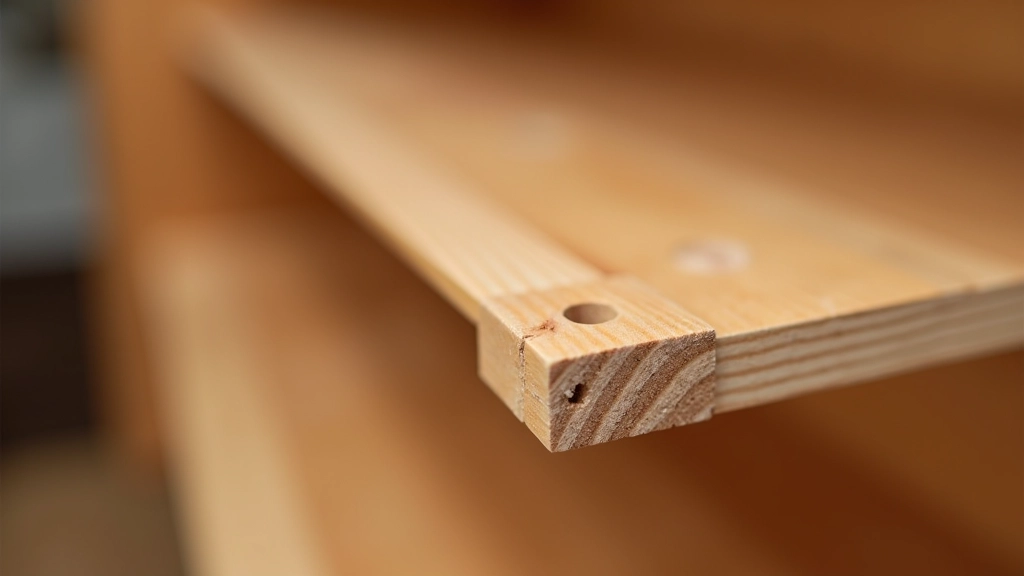
Dowels and pocket holes are stronger than just nails. Shelves that don't wobble are shelves you'll use.
03
Assembly Matters
Items designed for easy assembly usually stay together better. Complicated instructions often mean parts that don't align properly.

01
IKEA UK: Where Value Meets Simplicity
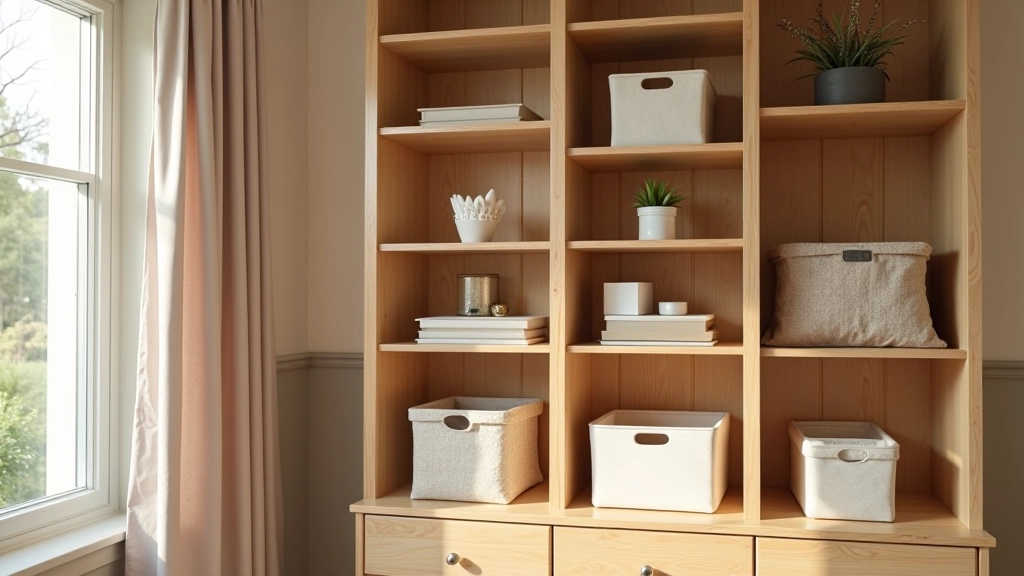
IKEA's got a massive range. You'll find everything from tiny desktop organizers to full-height shelving units. The thing is, not all of it's created equal. Their basic ranges like IVAR and BILLY have been around for decades — they're proven.
The IVAR system is worth your attention. It's modular, meaning you can start small and expand. We've seen customers build on the same basic frame for 5+ years without problems. The dowels are solid, the shelves don't sag, and if you damage a shelf, you can just swap it out.
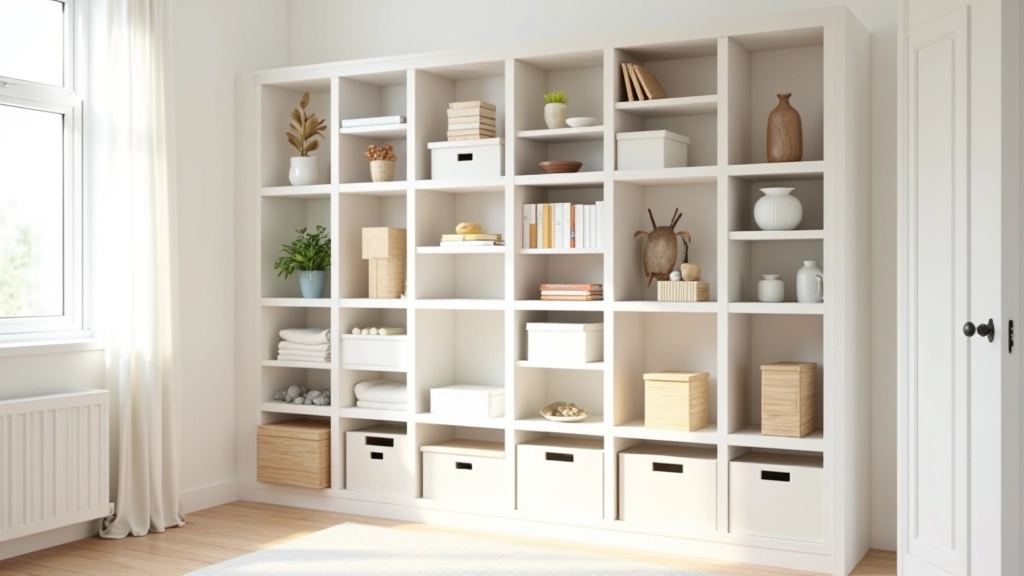
KALLAX is another solid choice — it's basically an open grid unit in different sizes. People use it for books, plants, toys, everything. The finish is tough. You'll see scratches eventually, but it doesn't fall apart. Assembly takes maybe 20 minutes per unit.
- BILLY bookcases work for more than books — people store files, decorative boxes, baskets
- EKET boxes are smaller but surprisingly durable for organizing drawers or shelves
- Skip the particleboard cabinets unless you're renting and expect to move them frequently
02
B&Q: Stronger Materials, Higher Price Point
B&Q's own-brand storage tends to use thicker materials than IKEA. Their shelving units often come with solid wood backs instead of just a frame. That extra backing makes shelves much less likely to bow over time, especially when you're loading them properly.
The Juno range is worth looking at. It's modular like IVAR but with more solid construction. You're paying a bit more — maybe 30-40% more — but the shelves won't sag after 3 years of heavy use. We've tested units from 2016 that still look flat.
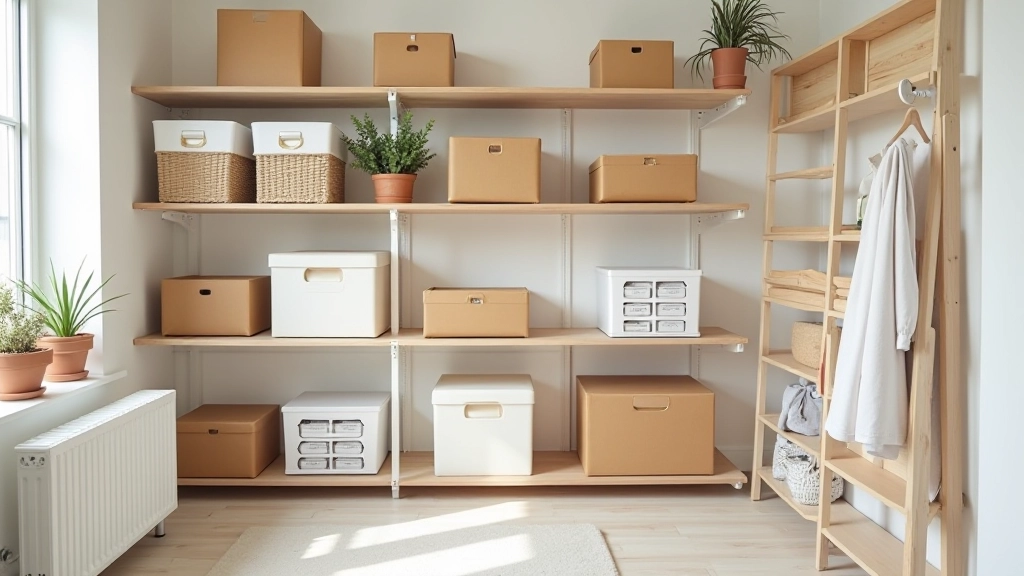
Their basic metal shelving is genuinely good. Five-shelf units designed for garages and storage rooms. They're not glamorous, but they're practical and honestly pretty much indestructible. You'll see these in commercial kitchens because they actually work.
B&Q also stocks better quality hardware. Hinges, handles, and shelf pins feel sturdier. That matters when you're opening and closing cupboard doors hundreds of times a year.
Important Information
This guide is informational and based on general observations about furniture quality and durability. Individual experiences with storage products vary depending on usage patterns, assembly quality, installation conditions, and maintenance. Always read product specifications, customer reviews, and warranty information before purchasing. Prices and product availability change frequently — check current retailers for up-to-date options. For specific durability claims or concerns, contact the manufacturer or retailer directly.
03
Assembly and Installation: Getting It Right
Here's what most people miss: assembly quality affects durability more than you'd think. A shelf installed slightly crooked will sag faster because weight distributes unevenly. That's not a design flaw — it's an installation issue.
Both retailers provide instructions, but honestly, they're not always clear. Use a spirit level. Check that vertical pieces are actually vertical before tightening everything. Tighten screws evenly — don't over-tighten one side and under-tighten the other. If shelves come with dowels, use them all. Those dowels prevent twisting.
Wall mounting changes everything. A freestanding unit might wobble slightly. The same unit bolted to the wall? Completely stable. If you've got kids or pets, wall mounting isn't optional — it's essential for safety.
Assembly Checklist
- Clear space for assembly — lay all parts out first
- Have a cordless drill ready — manual screwdriving takes forever
- Use a spirit level for shelves and vertical pieces
- Don't rush — tight joints are stronger joints
- Check that doors close smoothly before finishing
04
Materials That Actually Last
Let's be honest about materials. Solid wood lasts longest, but it's not always affordable and it requires maintenance. Particleboard is lighter and cheaper, but it swells if it gets wet and edges can chip. Plywood sits in the middle — it's more durable than particleboard but costs less than solid wood.
What you're really buying is the finish. A high-quality veneer over particleboard will outlast a poorly finished solid wood piece. That's why you see IKEA pieces lasting 10+ years — the finishes are applied in controlled factory conditions, not hand-finished.
Check the inside of any unit before buying. If the internal surfaces are rough or unfinished, that's where moisture will get in. Look for sealed edges. Exposed particleboard edges will absorb moisture and swell. Don't buy units with exposed edges unless they're sitting in a genuinely dry space.
Metal and glass combinations work well if you need something that'll truly last decades. They're heavier, more expensive, and take up more visual weight. But they're essentially indestructible. Some people use these as their "forever pieces."
Making Your Choice
You don't need to spend hundreds on storage. IKEA and B&Q both offer pieces that'll genuinely last if you choose carefully and assemble properly. Start by thinking about what you're storing and how you'll use it. Heavy items need stronger shelves. Frequently accessed items need easy access. Visible items need finishes you actually like.
Read reviews — not the five-star or one-star ones, but the middle reviews where people actually describe what happened over time. Look for mentions of sagging, wobbling, or pieces breaking. Those real experiences tell you more than marketing copy ever will.
And don't underestimate the assembly and installation. A perfectly designed unit installed carelessly will disappoint you. A simple design installed properly will serve you for years. That's not just about the furniture — that's about respecting the materials and the space you're filling.
Ready to explore more storage solutions tailored to your space?
Browse More Storage GuidesRelated Reading