Understanding Loft Conversion Challenges
Sloped ceilings and irregular walls aren't storage obstacles — they're opportunities. That's what we'll explore here. You'll find that working with awkward angles actually opens up some creative possibilities if you approach it strategically.
The real challenge isn't the shape of your space. It's knowing which solutions work for different ceiling heights, wall placements, and your budget. We've put together practical strategies you can use right away, whether you're building custom shelving or shopping for ready-made options.
Custom Built-In Solutions
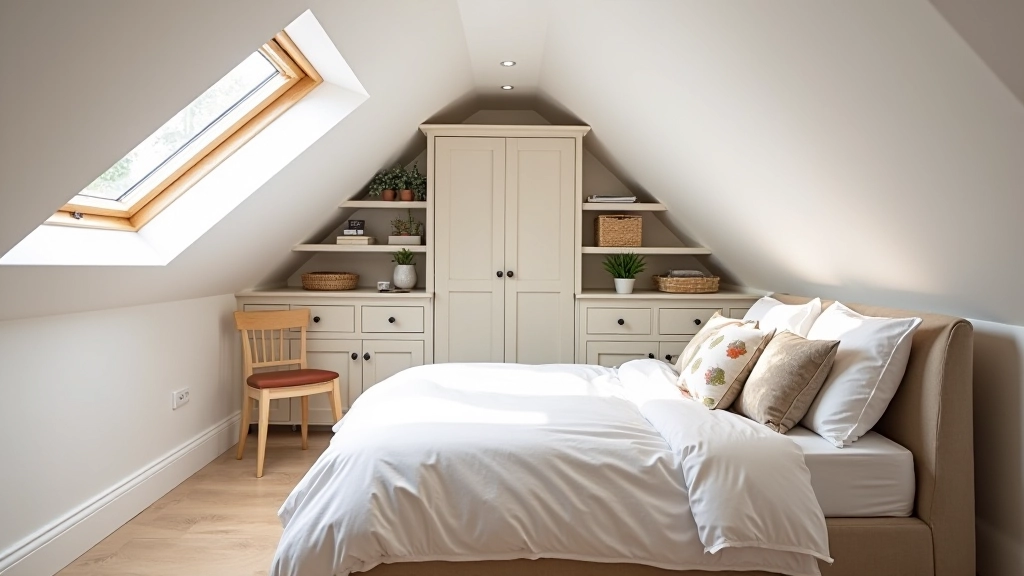
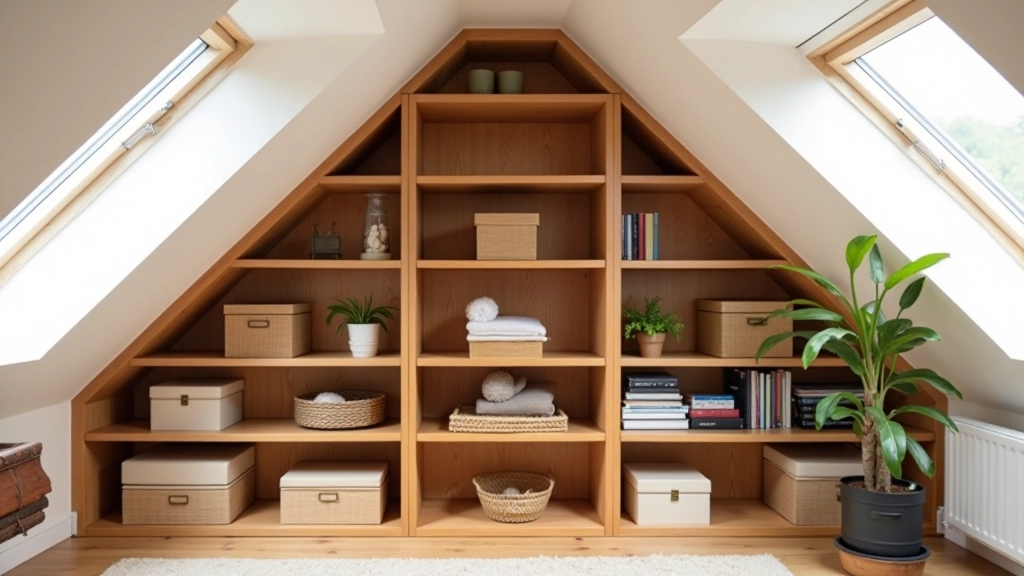
Custom shelving is the gold standard for loft conversions. Why? It works with your space instead of against it. A carpenter can build shelves that follow the exact line of your sloped ceiling, which means zero wasted space.
You're looking at costs between £400-£1,200 depending on materials and complexity. That sounds like a lot until you realize how much usable storage you're gaining. Most people get between 40-60% more storage from custom builds compared to standard shelving units.
The best part? It's permanent and professional-looking. You'll notice the difference immediately when you walk into the room. The shelving becomes part of the space rather than something sitting in it.
Affordable Ready-Made Options
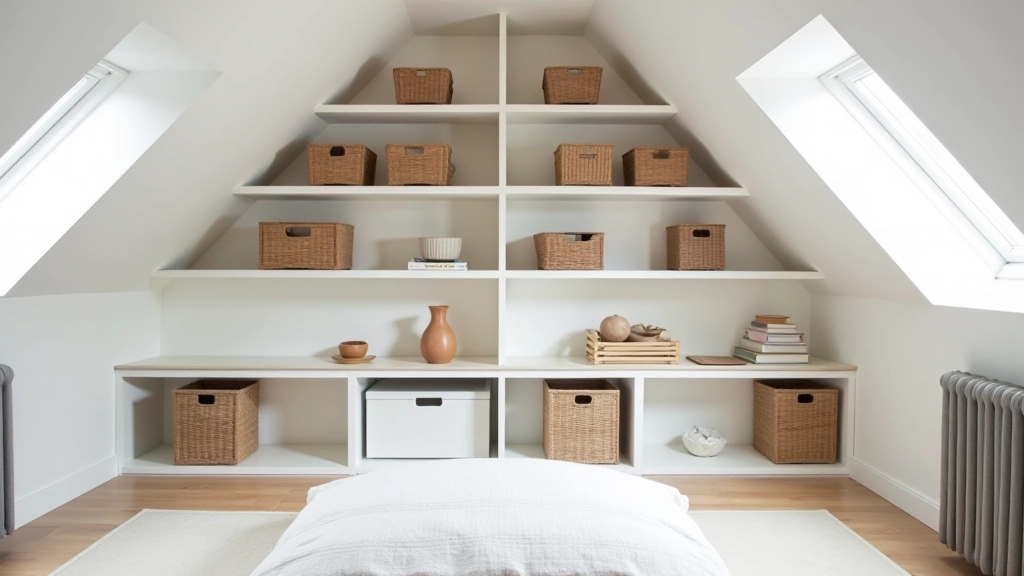
Custom builds aren't your only route. IKEA and B&Q both stock shelving that works well in loft spaces if you're strategic about placement. The trick is using shorter shelf units and stacking them rather than trying to force one large unit into an awkward corner.
IKEA's IVAR system is particularly flexible — you can adjust shelf heights and combine units to fit odd wall sections. Expect to spend £150-£400 for a decent setup. B&Q's Made in the UK collection tends to be sturdier for heavier items like books or storage boxes.
The downside? Ready-made shelving doesn't follow angled ceilings as seamlessly. You'll have visible gaps at the top. But if you're renting or want to avoid permanent installation, this approach gives you flexibility and decent storage without the cost.
Space Planning That Actually Works
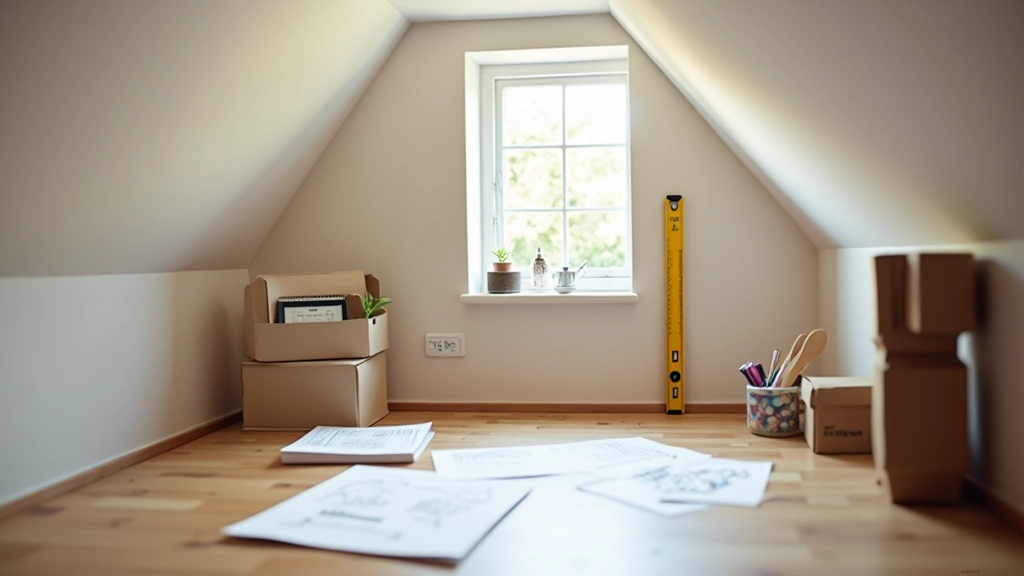
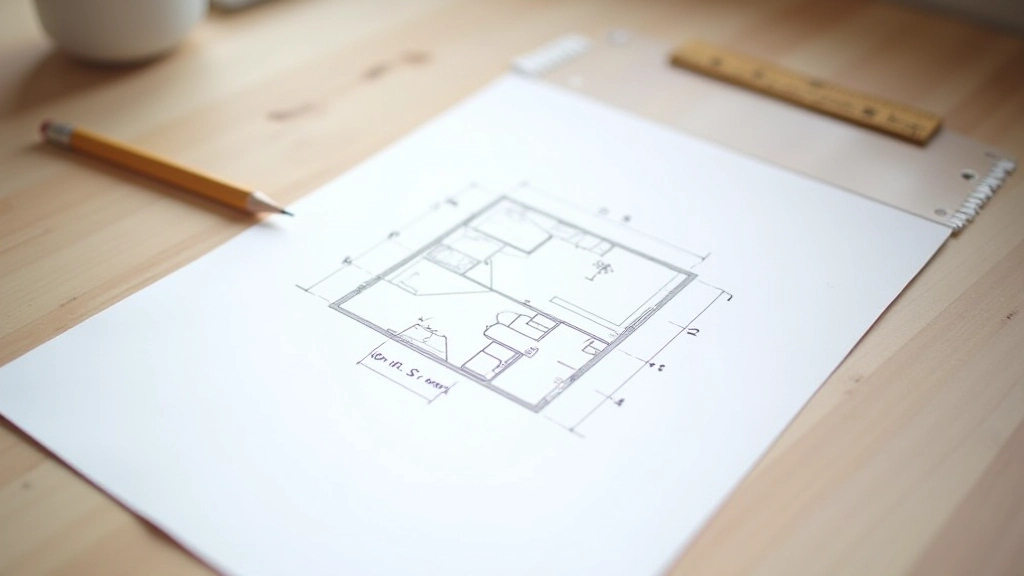
Before you buy or build anything, measure carefully. Get a tape measure, pencil, and paper. Sketch your walls at scale — even roughly. Mark where your sloped ceiling starts dropping and at what height. This single step saves most people from expensive mistakes.
The sweet spot for shelving in loft conversions is usually 1.8-2.2 meters high at the highest point. Below that, you're dealing with head-height storage (annoying). Above 2.2 meters, the shelf space becomes too awkward to access without a step stool. Plan your layout around these constraints rather than fighting them.
Consider what you're actually storing. Heavy items like books need strong shelving — aim for 5-7cm deep shelves. Lighter stuff like seasonal decor? You can go with 20-25cm deep shelves to maximize visible space. Don't just pick a depth because it looks nice — think about what you'll put on those shelves.
Important Note
This guide provides educational information about shelving options and space planning strategies. Building codes and structural requirements vary by location. If you're modifying walls, installing permanent shelving, or working on a loft conversion, consult with a qualified surveyor or structural engineer first. They'll confirm your walls can support shelving weight and ensure your installation meets UK building regulations.
Making Your Decision
You've got three solid paths forward. Custom built-ins give you maximum storage and a finished look. Ready-made shelving keeps costs down and offers flexibility. The third option? A hybrid approach where you combine both — custom work on the main wall and modular shelving in secondary spots.
Whatever you choose, start with that floor plan sketch. Measure twice, buy once. You'll save money and end up with a space that actually works for how you live. That's what matters most — shelving that serves your life, not the other way around.
Looking for more storage solutions? Explore our guides on Victorian house storage and kitchen pantry organization.
Browse All Storage Guides