Maximizing Victorian House Storage Without Losing Character
Transform period properties with clever built-ins, alcove solutions, and restoration-friendly storage that respects original architecture while solving modern clutter problems.
The Victorian Storage Paradox
Victorian homes are gorgeous. High ceilings, original cornicing, period fireplaces — they've got character for days. But they weren't designed with modern living in mind. You've got clothes, books, kitchen equipment, and a life's worth of belongings that need somewhere to go.
Here's the challenge: you don't want to sacrifice that period charm with bulky modern storage. You're not trying to turn your Victorian terrace into a minimalist apartment. Instead, you're looking for solutions that work WITH the architecture, not against it. Solutions that'll actually hold your stuff without screaming "I installed this in 2026."
We've spent years helping homeowners crack this puzzle. Whether you're dealing with narrow hallways, awkward alcoves, or sloped ceilings in upper floors, there are smart ways to add storage that feels intentional, period-appropriate, and genuinely useful.
What We'll Cover
- Built-in solutions that look original
- Alcove and chimney breast storage
- Under-stair opportunities
- Period-appropriate materials and finishes
- Smart furniture choices
- Budget-friendly vs. investment pieces

01
Built-in Alcove Solutions: The Game Changer
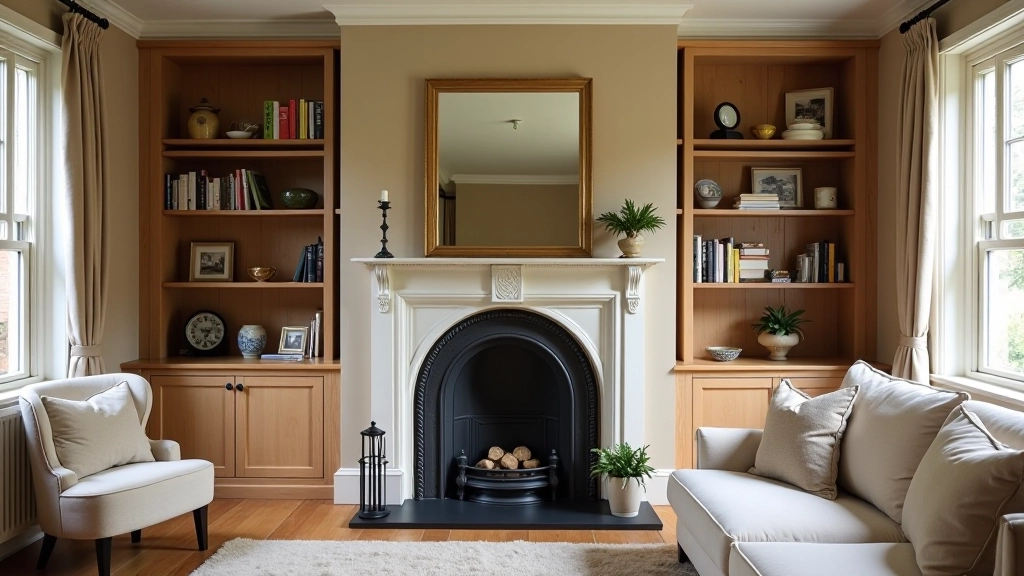
Most Victorian properties have them — those recessed spaces on either side of the fireplace. You've probably been using them as decorative spots for plants and the occasional photo frame. But they're honestly prime real estate for storage if you're willing to think strategically.
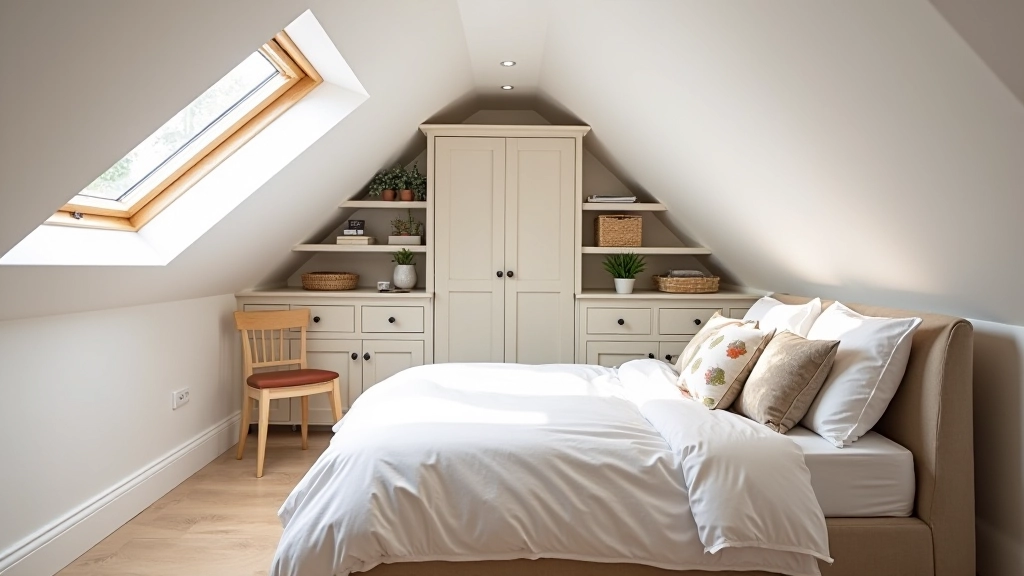
Here's what works best: floor-to-ceiling fitted shelving with doors that match your existing woodwork. Don't do floating shelves here — they'll look too modern and interrupt the period feel. Instead, go for solid timber shelving with traditional frame-and-panel doors in paint colours that coordinate with your walls. You'll get roughly 1.2 cubic metres of storage per alcove (per side, so double that if you've got both sides), and nobody walking in will even register it as "storage."
The cost? A decent fitted alcove solution runs £1,500–£3,000 per side depending on materials and whether you're painting or staining. It's an investment, but it genuinely adds value because it looks original. Renters and future buyers won't see it as an add-on — they'll see it as part of the house.
02
The Under-Stair Space You're Ignoring
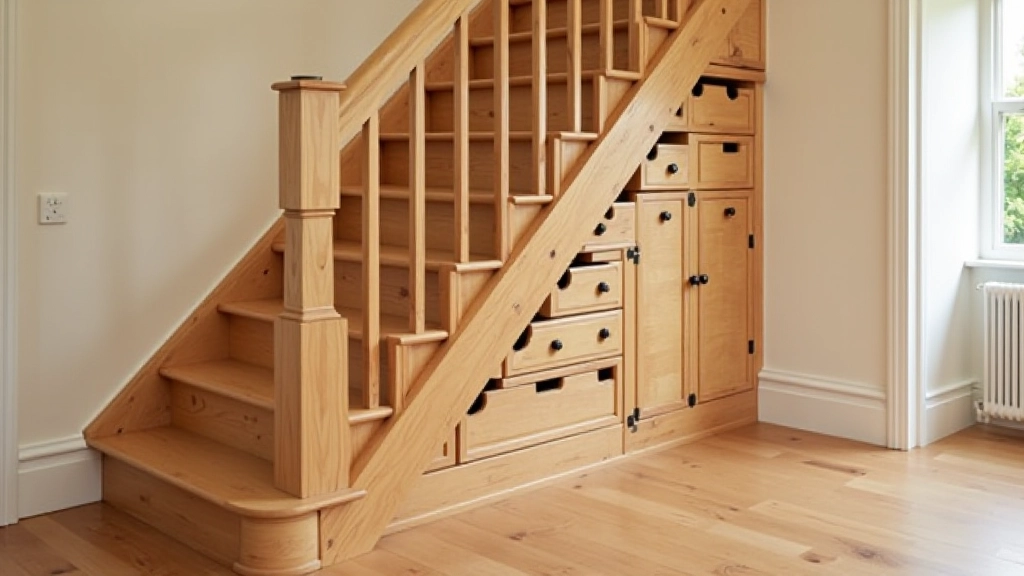
Walk into any Victorian hallway and you'll find it: awkward, triangular, completely wasted space under the stairs. This is where you can get creative without anyone thinking twice about it.
Pull-out drawers fitted under the stairs work brilliantly for off-season items, shoes, bags, or anything you don't need daily. They're period-appropriate because Victorians absolutely used this space. You can get custom solutions made, or you can source from places like Lakeland or even IKEA's Billy system adapted to the space. The key is making sure whatever you install doesn't stick out when closed.
One realistic example: a typical under-stair space in a Victorian terrace gives you about 0.8 cubic metres to work with. With proper drawer inserts, that's enough for 30–40 pairs of shoes or roughly 4–5 medium storage boxes. Installation takes a weekend if you're doing it yourself, or 1–2 days for a carpenter.
03
Chimney Breasts: More Than Just Decorative
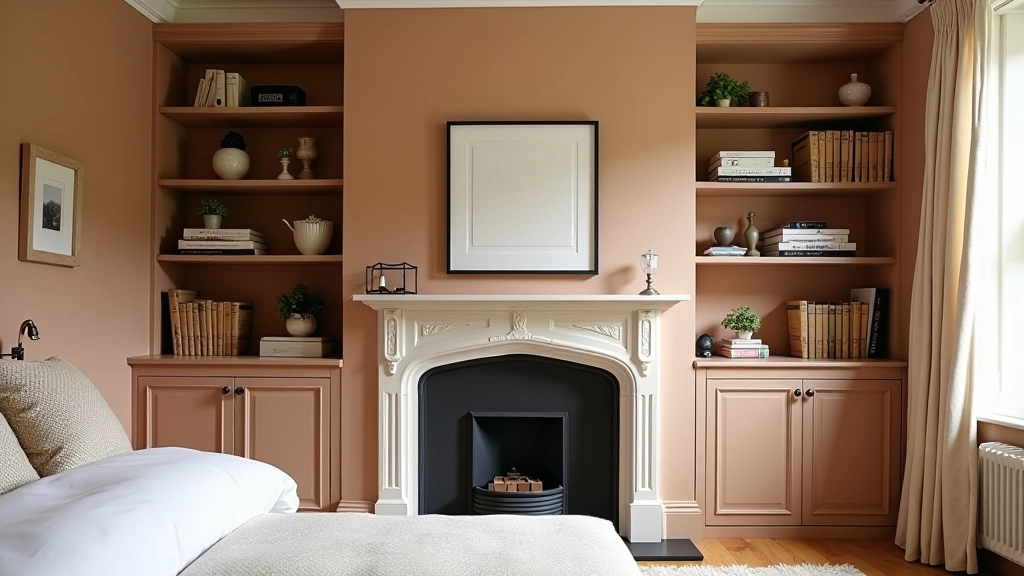
Got a chimney breast in your bedroom or living room? Congratulations, you've got another storage opportunity that most people overlook entirely. Rather than leaving it as a purely decorative feature, you can build shelving or cabinetry around it that actually serves a purpose.
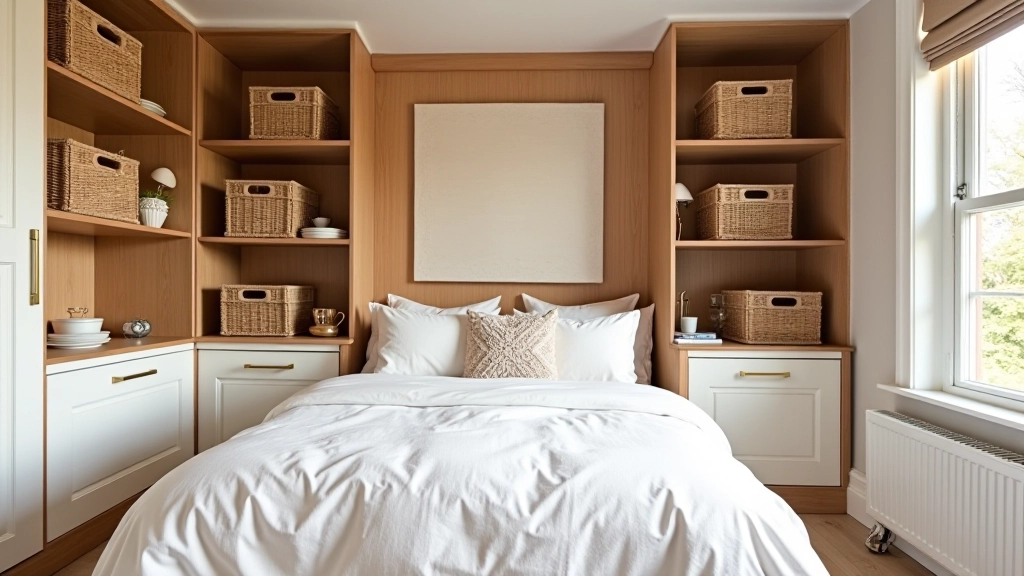
The trick is to make it look intentional. You're not trying to hide the chimney — you're designing around it. Fitted cupboards with shelving on either side, or a single run of shelving and storage at a height that visually balances the chimney breast itself, works beautifully. Stain or paint it to match your skirting boards and it'll look like it's always been there.
Most chimney breasts jut out about 45–60cm, so you're looking at roughly 0.5 cubic metres of usable storage if you build shelving on both sides. That's enough for a good chunk of your book collection or seasonal décor.
04
Furniture as Storage: The Smart Approach
You don't always need to build custom solutions. Sometimes the right furniture piece does the job better and you get flexibility when you move house (which, let's be honest, you might).
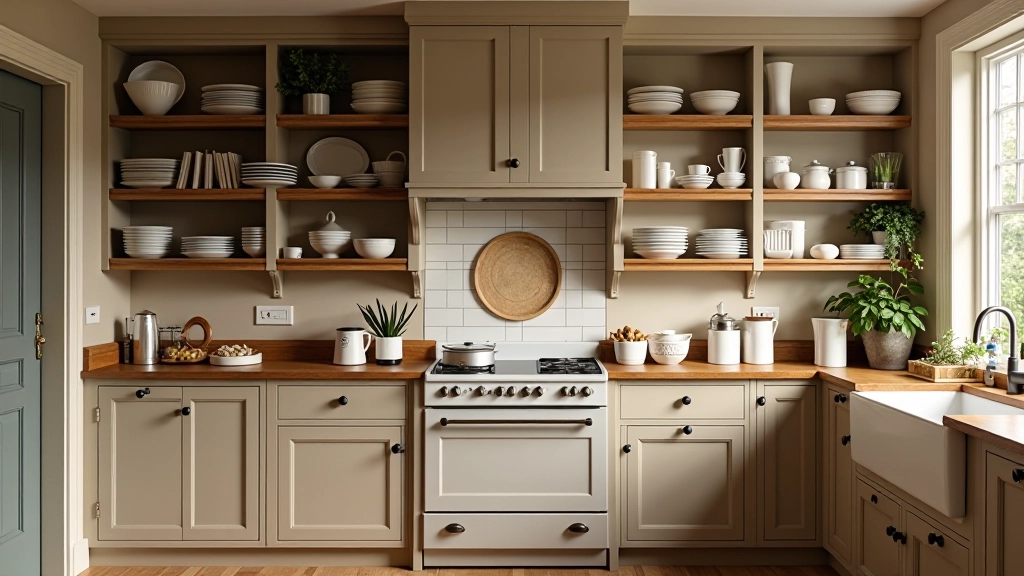
A traditional dresser in your dining room or kitchen gives you surface display space plus closed storage underneath. A good Victorian-style sideboard in the hallway handles coats, shoes, and miscellaneous items without looking out of place. Vintage or reproduction furniture actually works better here than modern pieces because it reads as "intentional design" rather than "I needed somewhere to put my stuff."
The challenge is finding pieces that are genuinely well-made and won't fall apart in 3 years. Places like Cox & Cox, Sweetpea & Ivy, or even the higher-end IKEA reproductions offer solid options. You're looking at £300–£800 for decent quality furniture that'll actually last and look good doing it.
Important Note
Before undertaking any major storage installation — particularly built-in shelving or modifications to period features — check your property's listed status or conservation area regulations. Some Victorian homes have legal protections that affect what you can alter. It's worth spending 10 minutes confirming with your local planning authority before you commit to a project. This article is informational guidance based on common practices in UK period homes, not professional architectural advice.
Bringing It Together
The reality is this: Victorian homes don't have storage problems because of bad design. They have storage challenges because they were designed for a different era with different amounts of stuff. The solution isn't to fight the architecture — it's to work with it.
Start with your highest-impact areas: alcoves, under-stair spaces, and chimney breasts. These give you the most usable storage without requiring you to sacrifice the character that makes your home special in the first place. Mix built-in solutions with the right furniture pieces, and you'll end up with a home that's both beautiful and actually functional.
It'll take some thought, probably some budget, and definitely some planning. But the result is a home that looks intentional, feels spacious, and doesn't look like you've just crammed in storage boxes everywhere. That's worth the effort.
Want More Storage Solutions?
Explore other storage guides tailored to different spaces and budgets across UK homes.
Browse All Storage GuidesRelated Storage Guides